M Series
Modular UPS Installation
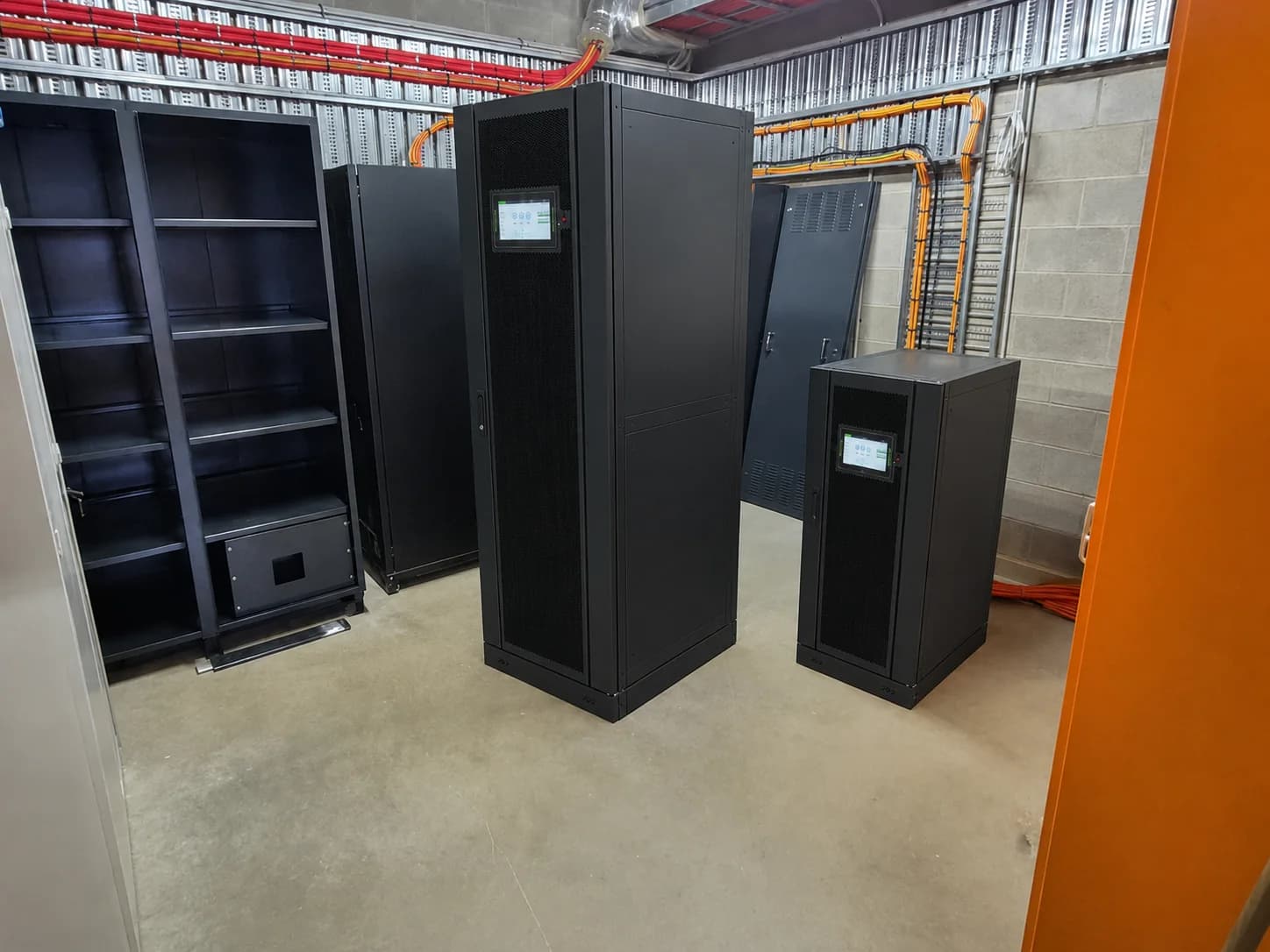
Representative modular UPS installation in an on-site critical power environment.
View M Series Modular UPS
Modular online UPS systems for phased capacity expansion, N+1 / N+X redundancy and service-friendly server-room and small data-center projects. ZYKEVO supports UPS configuration, battery coordination and China-side project supply for regional integrators and service companies.
M Series is a configuration direction for small data-center integrators, server-room providers, UPS service and maintenance companies, power solution integrators and regional distributors or local solution brands. Consider a modular system when the project needs:
A modular UPS is not automatically the best option for every project. For a small, fixed load with little prospect of expansion, or where upfront cost is the main priority, a fixed-capacity UPS may be more practical.
Modular UPS selection is not based only on one kVA number. The review connects the load and service objectives with a model-specific configuration:
Review the cabinet's maximum supported capacity and the selected module capacity alongside current and future load. Adding modules must leave the required redundancy available after expansion; capacity reserved for redundancy is not spare capacity for additional load.
Upstream power distribution, downstream distribution and bypass capacity must also support the expanded system. Recheck batteries and runtime as load grows: increasing UPS power capacity alone does not maintain the original backup time.
Final expansion capability depends on the selected platform and project configuration. Confirm the supported module/cabinet combination and maintenance access before committing to a staged installation.
External batteries, a battery cabinet or rack, charger capacity and the required runtime belong in the same project review. Lead-acid or lithium may be considered according to the selected UPS and confirmed project requirements; neither should be assumed suitable without that check.
Review external battery cabinets and replacement battery requirements for enclosure and battery scope, or high-voltage LiFePO4 battery options for UPS where lithium is being considered. Model-specific compatibility and runtime remain subject to technical confirmation.
Once project information is available, ZYKEVO can help review:
This support is preliminary and project-based. It is not a final engineering BOM before verification. Exact models, configuration, accessories and quotation scope require written confirmation.
If all project data is not available yet, start with the current load, target capacity and required runtime for an initial review. The following details help refine the configuration:
Certification and shipping documentation are confirmed according to the selected model and destination.
These files apply only to the stated model scope. Confirm the exact model, revision, electrical configuration and destination before using a document for procurement.
Initial and future load; Required redundancy level; Input/output electrical arrangement; Runtime and battery architecture; Bypass and distribution concept.
No. The selected model, electrical configuration, battery system, documents and destination requirements must be confirmed in writing.
Runtime is reviewed from the measured load, UPS DC system, complete battery configuration, charger, operating conditions and the required backup objective.
OEM label, artwork, packaging and documentation coordination may be available for suitable projects after the model and commercial scope are confirmed.
Field References
Representative installation and integration images support project conversations; model, customer and performance details remain subject to confirmation.
Representative modular UPS installation in an on-site critical power environment.
View M Series Modular UPSSend the current load, expected future capacity, redundancy requirement and runtime. We can first review the modular UPS configuration direction and identify what additional information is needed for quotation. Partial project information is welcome.