Project-based UPS battery systems

High-Voltage LiFePO4 Battery Systems for UPS

Project-based 192V, 384V and 512V LiFePO4 battery platforms for compatible three-phase and modular UPS applications, separated into high-rate short-time and energy-type extended-runtime directions.

Preliminary platform data — proposed models remain subject to project and OEM confirmation.

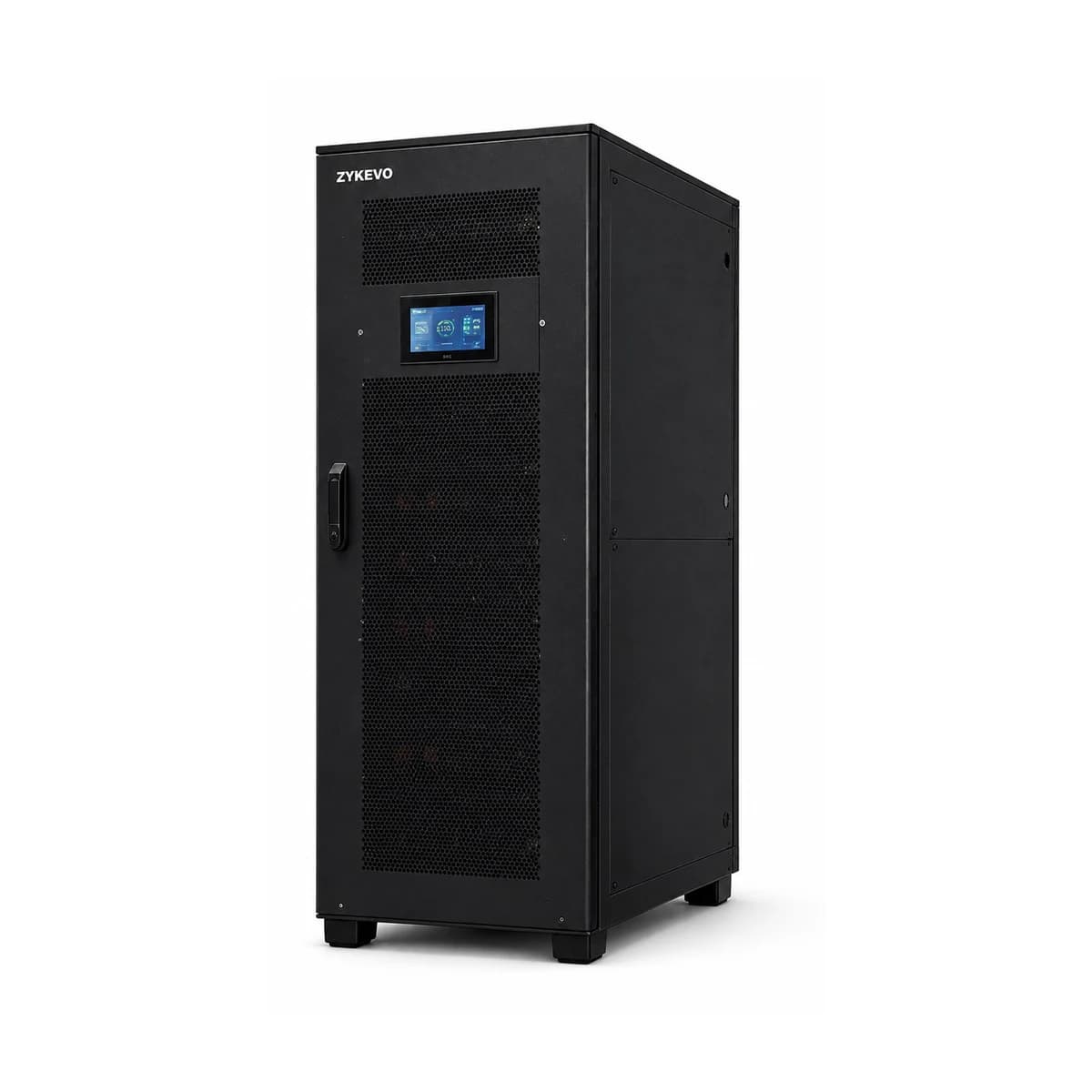
ZYKEVO high-voltage LiFePO4 battery cabinet for three-phase and modular UPS applications
Representative ZYKEVO high-voltage LiFePO4 battery system. Final cabinet, module arrangement and appearance depend on the approved project configuration.

Product range overview

Start with voltage platform, then define the battery duty

ZYKEVO organizes this product line by the UPS-side 192V, 384V and 512V platform. The project is then reviewed as a high-rate short-time duty or an energy-type extended-runtime duty.

Published 64V, 48V and 51.2V values describe module-level architecture. They are not top-level product families and do not confirm compatibility with a UPS.

Power duty versus energy duty

High-rate and energy-type battery directions

01 / High-rate

High-rate / Short-time Platform

Typical published capacity: 25–100Ah. Published reference continuous rate: 2C–6C.

Reviewed for short-time high-power UPS backup, server rooms, small data centers, generator bridging, modular UPS and critical IT loads.

Plan a high-rate UPS battery duty
02 / Energy-type

Energy-type / Extended-runtime Platform

Typical published capacity: 200–314Ah. Published reference rate: approximately 0.48C–1C.

Reviewed for longer-duration UPS backup, weak-grid conditions and projects with a lower load-to-energy ratio.

Plan an extended-runtime battery duty

UPS applications

Three-phase and modular UPS projects

Selected three-phase and modular UPS systems may be reviewed for a high-voltage LiFePO4 battery. The exact UPS model, topology, battery input, charger and BMS requirements determine whether a platform can move forward.

  • New UPS and battery projects
  • Modular UPS short-time high-power duty
  • Generator bridging and repeated-outage review
  • Existing UPS battery replacement and retrofit evaluation

Site context

Server room and small data center applications

High-voltage lithium is one possible project direction, not a default recommendation for every room or UPS.

Replacement and retrofit

UPS battery replacement and lead-acid-to-lithium upgrade

An existing lead-acid string is useful project evidence, but its nominal voltage or Ah cannot be copied directly into a lithium proposal. Confirm the existing quantity, series/parallel arrangement, UPS DC bus, minimum voltage, charging controls, topology, protection and cabinet conditions.

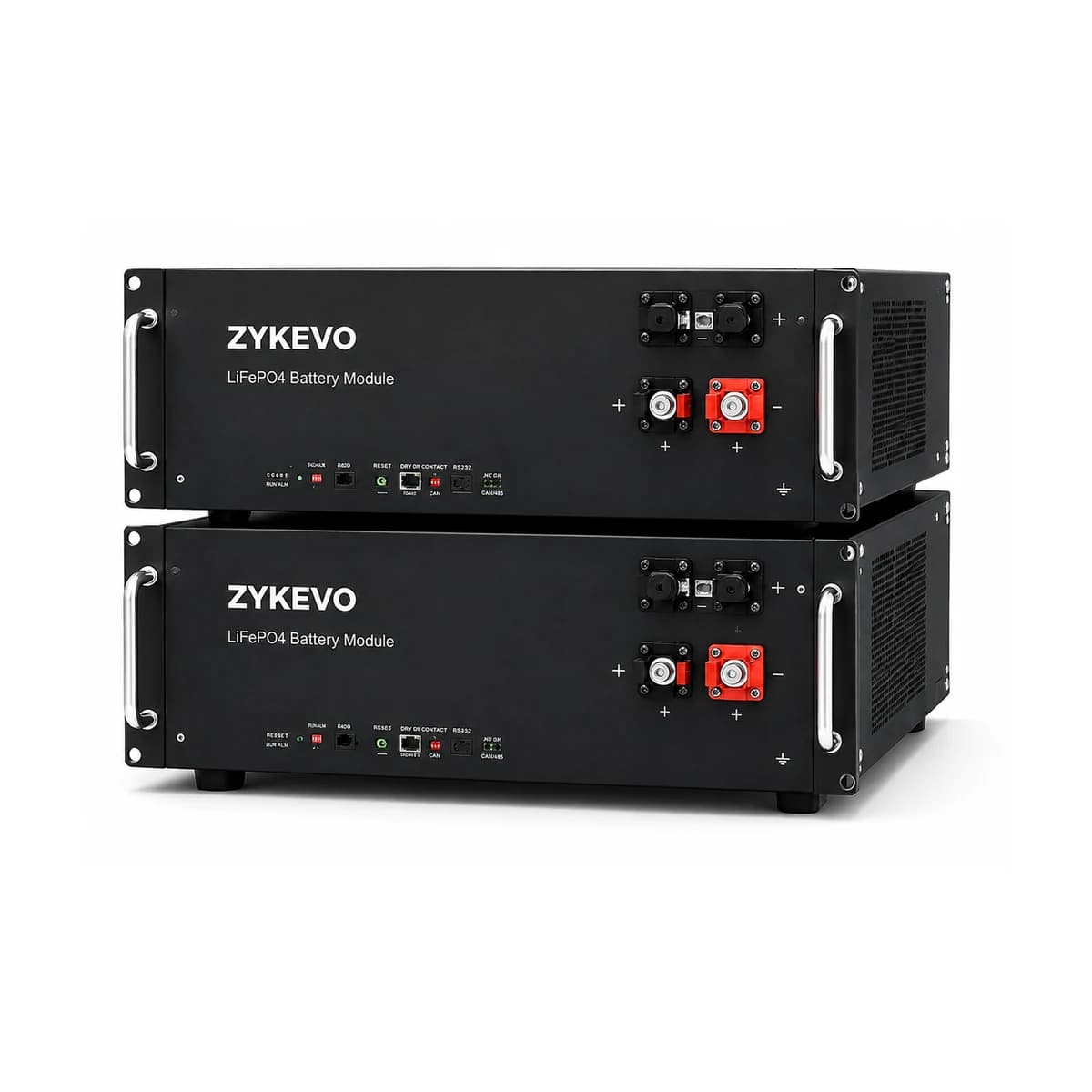
ZYKEVO rack-mount LiFePO4 battery modules for UPS high-voltage battery systems
Representative ZYKEVO high-voltage LiFePO4 battery system. Final cabinet, module arrangement and appearance depend on the approved project configuration.

BMS and communication

Define control behavior, not only the physical port

CAN, RS485 and dry contacts are common interface directions. Selected 512V configurations may support TCP/IP and SNMP. A physical connector does not confirm the UPS protocol, message set, alarm logic or shutdown behavior.

  • Confirm BMS current and cut-off levels.
  • Confirm required alarm, interlock and restart behavior.
  • Confirm protocol documentation for the exact UPS.
  • Coordinate breaker, contactor, fuse, cable and isolation.

UPS matching requirements

Information required before quotation

  1. 01UPS brand and exact model
  2. 02UPS topology, rated capacity and input/output voltage
  3. 03DC operating window, minimum DC voltage and low-battery cut-off
  4. 04Existing battery quantity, arrangement and center-tap or two-wire full bus
  5. 05Normal and maximum charging voltage and charge-current limit
  6. 06Actual critical load in kW and required backup time
  7. 07BMS communication protocol and protection requirements
  8. 08Cabinet, installation environment, destination and certification scope

Nominal voltage alone does not confirm UPS compatibility.

Battery selection must use the actual load in kW and the UPS minimum DC voltage, not only the UPS rated kVA or nominal battery voltage.

A physical CAN or RS485 interface does not by itself confirm UPS protocol compatibility.

Center-tap or two-wire full-bus structure must be confirmed from the actual UPS and battery circuit.

Final charging voltage, charge-current limit, cut-off voltage, protection behavior and communication protocol require project review.

Do not use a fixed 10-, 15- or 30-minute runtime claim without an approved constant-power discharge curve for the exact battery model, current level, end voltage and temperature.

Common project questions

What the product-family page can and cannot confirm

What is a high-voltage lithium battery for UPS?

It is a LiFePO4 battery system configured for the UPS-side DC platform, charging behavior, power duty, BMS, protection and installation requirements of a specific project.

Which UPS systems may use it?

Selected three-phase and modular UPS systems may be reviewed. The exact UPS model, topology, DC window, charger and required interfaces must be confirmed before compatibility is discussed.

Why is actual load more important than UPS kVA?

UPS kVA is an equipment rating. Battery current and energy duty depend on the actual critical load in kW, minimum DC voltage, UPS losses, runtime target and project margin.

Can an existing lead-acid UPS be upgraded?

Some projects may be suitable after the existing battery arrangement, DC bus, charging controls, center-tap/full-bus structure, protection, communication and commissioning plan are reviewed.

Which data still requires final project confirmation?

Final configuration, dimensions, weight, discharge performance, communication functions, certification scope, availability and appearance remain subject to the approved project and OEM confirmation.

Controlled product document

Download the preliminary technical specification

Final configuration, dimensions, weight, discharge performance, communication functions and certification scope are subject to project requirements, model availability and OEM confirmation.

Preliminary Technical SpecificationHigh-Voltage LiFePO4 Battery Systems for UPS — Preliminary Technical SpecificationPreliminary platform information for project discussion. It is not a final compatibility or production approval document.
Compatibility boundary

Final configuration, dimensions, weight, discharge performance, communication functions and certification scope are subject to project requirements, model availability and OEM confirmation.

Field References

UPS & Battery Integration Testing

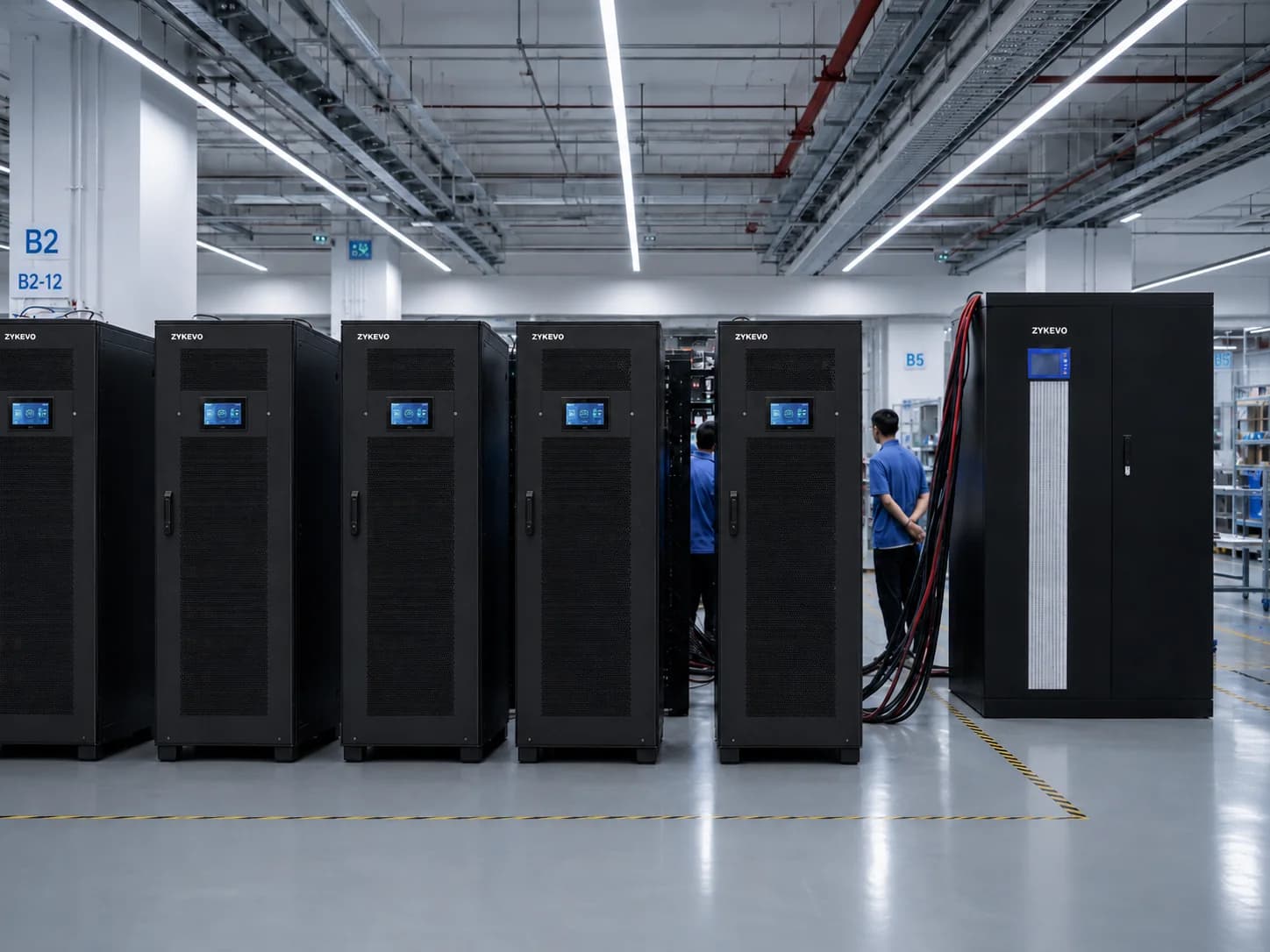
Representative factory integration testing of high-voltage LiFePO4 battery systems with UPS equipment. Final testing scope depends on the approved project configuration.

High-voltage lithium battery cabinets shown during a supplied test reference image
UPS & Battery Integration Testing

UPS & High-Voltage Battery Integration

High-voltage LiFePO4 battery systems connected with UPS equipment for project integration testing.

View High-Voltage LiFePO4 Battery
View Field References

Need help matching a lithium battery to your UPS?

Send us your contact details and a short message. If available, you can mention the UPS model, load or required backup time in the message.